
04 · Evidence · The E-MOTIVE Trial
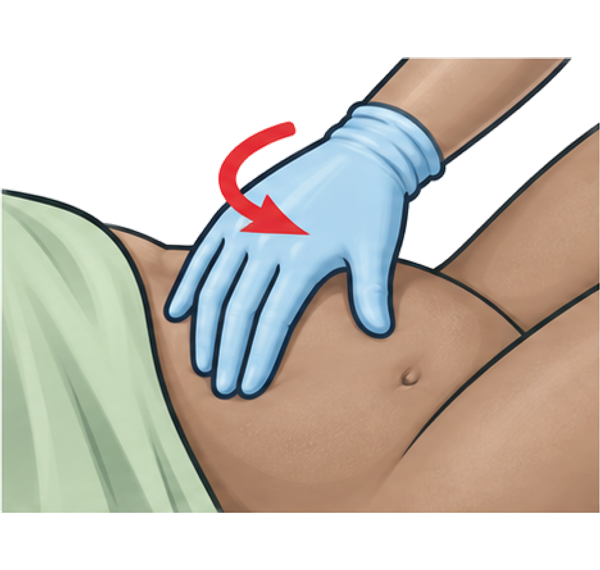
First response bundle (MOTIVE)
60% reduction in severe outcomes.
The E-MOTIVE trial
All drugs and techniques listed here have long been part of established guidelines. E-MOTIVE focused on the importance of timing and combination: This was examined across 80 secondary hospitals in Kenya, Nigeria, South Africa, and Tanzania, involving 210,132 women having vaginal births. [1]
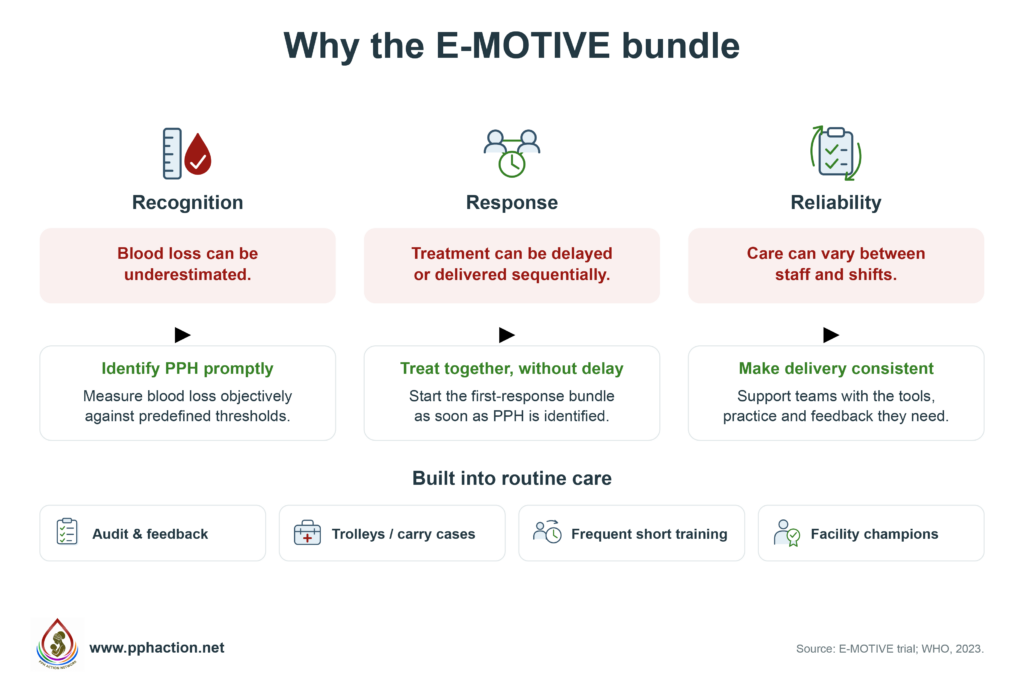
Why the E-MOTIVE bundle
E-MOTIVE was designed and evaluated as an integrated intervention for the early detection and treatment of postpartum haemorrhage. The “E” component centres on early detection through routine use of a calibrated blood-collection drape, allowing blood loss to be measured objectively and predefined treatment thresholds to be recognised promptly.
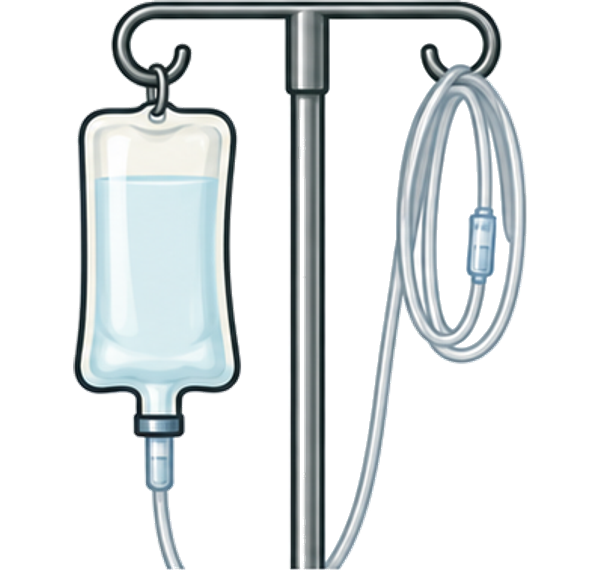
Once PPH is identified, the MOTIVE treatment bundle is initiated without delay: uterine Massage, Oxytocic drugs, Tranexamic acid, IntraVenous fluids, Vaginal/genital tract Examination, and escalation of care where required.
E-MOTIVE

E
Early detection of postpartum haemorrhage
▼

▼
Implementation strategies (ACTT)

The cost of E-MOTIVE
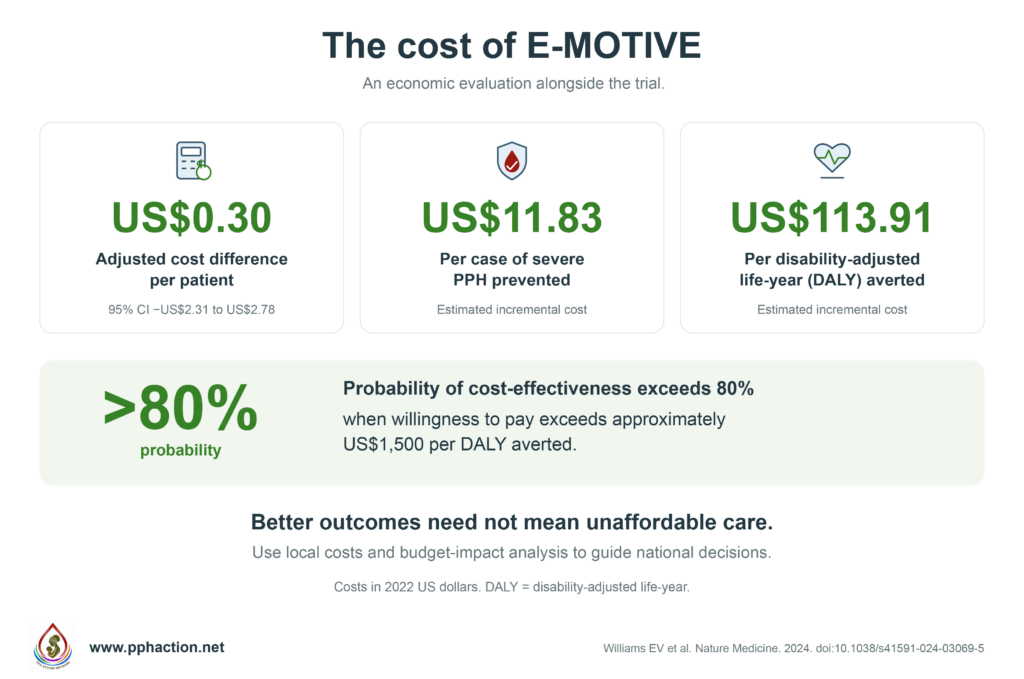
An economic evaluation conducted alongside the trial showed that the E-MOTIVE intervention was cost-effective [3]. The adjusted cost difference was US$0.30 per patient (95% CI −2.31 to 2.78), with an estimated US$11.83 per case of severe PPH prevented, and US$113.91 per disability-adjusted life-year (DALY) averted.
When the willingness-to-pay threshold surpasses roughly US$1,500 per DALY averted, the probability of cost-effectiveness exceeds 80% [3]. Since costs and thresholds vary between countries, ministries should combine this evidence with local budget-impact analysis.
The economic analysis dispels the assumption that better outcomes necessarily entail higher costs beyond what the system can afford.
Does E-MOTIVE apply effectively in real-world settings?
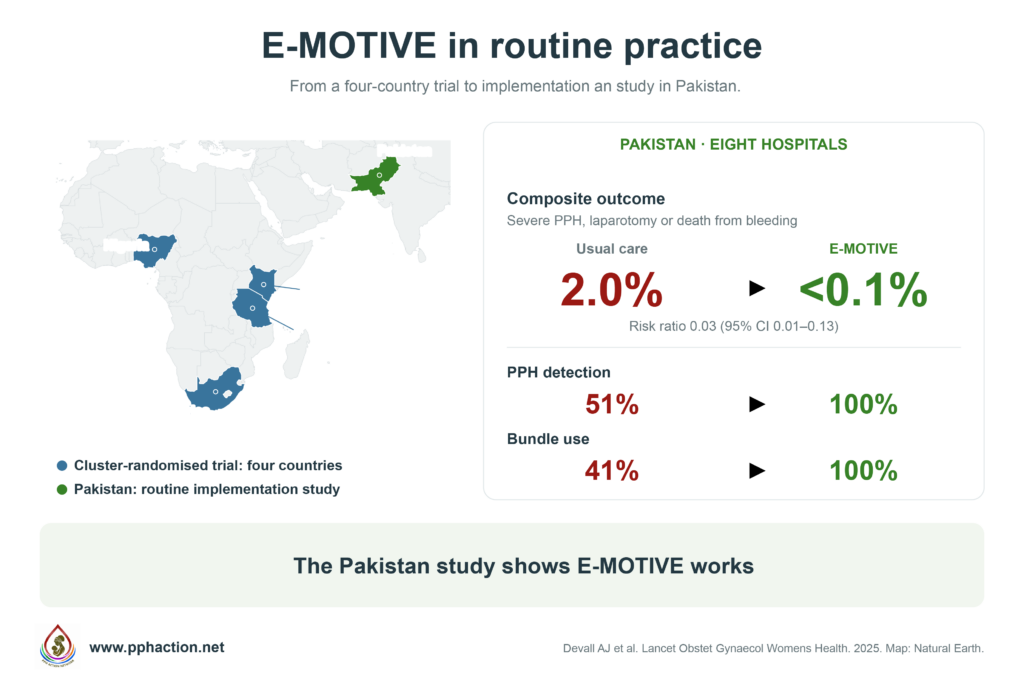
E-MOTIVE's effectiveness has remained consistent outside trial settings. In Pakistan, a before-and-after study at eight hospitals assessed E-MOTIVE under routine conditions. The outcome of severe PPH, laparotomy for bleeding, or death from bleeding fell from 20 cases per 1,000 births with usual care to fewer than 1 per 1,000 with the E-MOTIVE intervention, a 97% reduction in risk. PPH detection improved from half of all cases to every case, and first-response bundle use from 4 in 10 women to all women. [4].
The overall evidence includes one large trial across four African countries, an implementation study in Pakistan.
The status of national postpartum haemorrhage guidelines, country by country.
Activities at local and national level to train, implement and scale up E-MOTIVE.
Initiatives and efforts taken up by national or local government and ministerial bodies to implement E-MOTIVE.
E-MOTIVE training activity across implementing countries.
Manufacturers producing the calibrated blood-collection drapes used in E-MOTIVE.
In practice · Same woman. Same blood loss. Different outcomes.
Usual care
Blood loss is estimated visually and recorded as normal.
- An hour on, the woman is pale and tachycardic; the blood loss is re-estimated at “maybe 600”.
- A uterotonic is given.
- Tranexamic acid is considered at the next review.
By the time the diagnosis is confirmed, the woman is experiencing severe PPH, and the response is escalation to theatre.
The E-MOTIVE pathway
The drape reads 520 mL at thirty minutes. Based on this measurement: